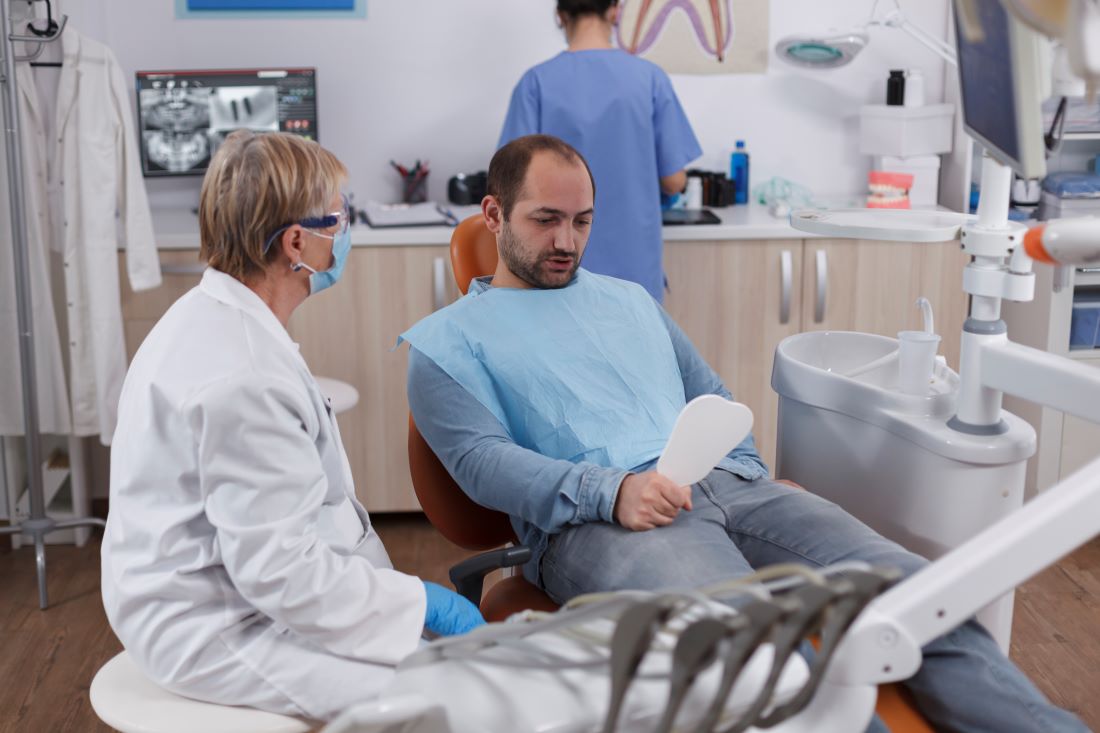
Getting a restorative procedure to save an infected tooth is an important step for your oral health. While the treatment relieves pain, proper care afterward is key for healing and stabilizing the tooth.
If you see a skilled dentist in New Port Richey, you are likely to receive instructions specific to your situation. By following these tips, you can reduce discomfort and protect your teeth until a permanent dental restoration, such as a crown, seals them for you.
This blog covers everything you need to learn about aftercare steps to follow once you receive root canal therapy
How Long Does The Recovery Phase Last?
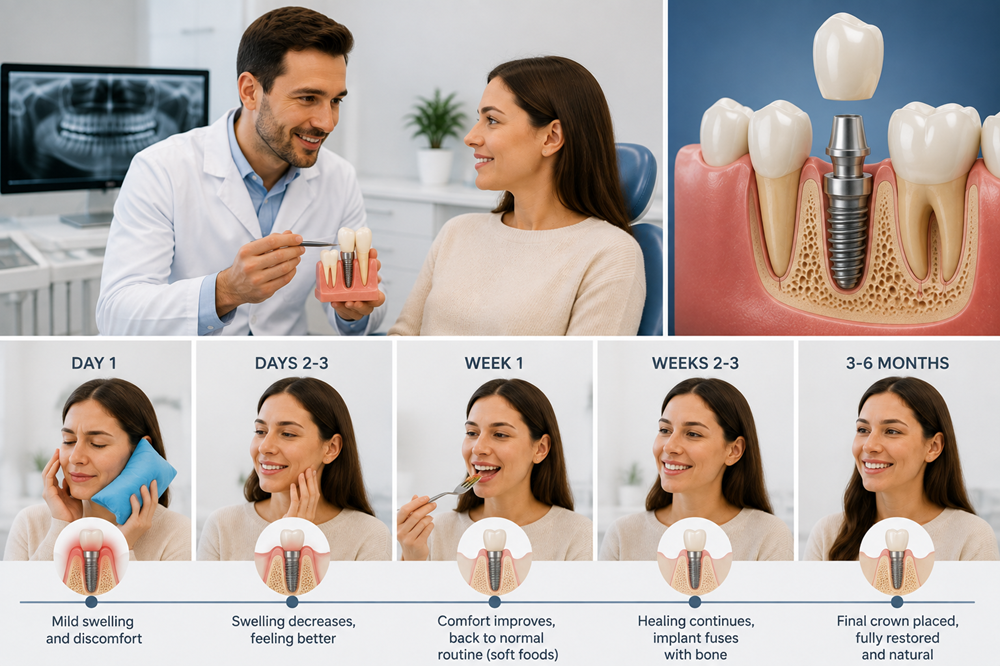
The first few days after your procedure are crucial for healing. Most patients can return to normal activities within 24–48 hours, though the area may stay tender for up to a week.
If you’re looking for root canal therapy near you, it helps to know that modern techniques reduce post-treatment inflammation. During this time, your body is repairing the tissues around the tooth roots. Resting and avoiding heavy activity on the first day lets your immune system focus on healing.
What Are The Best Practices For Diet And Comfort?
Managing your diet is essential to avoid putting excessive pressure on the treated tooth while it is still vulnerable.
For the first 72 hours, stick to soft foods like yogurt, mashed potatoes, and smoothies, and serve them at room temperature to avoid sensitivity. If you visit a dental office in New Port Richey, your provider will likely advise you to chew on the opposite side of your mouth until the permanent crown is seated.
Applying a cold compress to the outside of your cheek every 15 minutes can also help manage minor swelling and keep you comfortable as the anesthesia wears off.
How Should You Manage Oral Hygiene After Root Canal Treatment?
Keeping your mouth clean is important to prevent bacteria from accumulating around the restoration site. A routine of oral hygiene after root canal treatment includes brushing twice a day with a soft-bristle toothbrush and avoiding scrubbing near the treated tooth.
Flossing is also encouraged, though you should be careful not to “pull up” on the floss, which could dislodge a temporary filling. Instead, slide the floss out to the side through the contact point to keep the area debris-free without disturbing the dentist’s work.
What Are The Common Signs Of Infection After A Root Canal?
While the success rate for this therapy is extremely high, it is important to monitor the area for complications during the first two weeks. Persistent, throbbing pain that does not respond to over-the-counter medication can be a primary sign of infection after a root canal.
Other symptoms to watch for include visible swelling in the gums spreading toward the cheek, a persistent bad taste in the mouth, or a return of the “pimple” on the gums (an abscess). If you experience any fever symptoms, contact your dental team for an evaluation.
Timeline of Root Canal Healing
| Phase | Timeframe | What to Expect |
| Immediate | 0–24 Hours | Numbness, followed by mild tenderness and sensitivity. |
| Active Healing | 2–5 Days | Discomfort subsides; swelling begins to decrease significantly. |
| Stabilization | 1–2 Weeks | The tooth feels stable, ready for permanent crown placement. |
| Full Recovery | 1–2 Months | Internal tissues are fully healed and integrated with bone. |
Supporting Your Long-Term Oral Health
Successful root canal therapy is incomplete without quality aftercare, which is a combined effort between professional treatment and home care.
By following these guidelines, you ensure that your restored tooth remains a functional part of your smile for a lifetime.
Prioritizing rest and cleanliness during the first week sets the stage for a complication-free result.
At Radiant Dentistry, we are committed to providing empathetic care and clear guidance throughout your healing journey. Our team utilizes advanced technology to ensure your procedure is as comfortable as possible.
We are always here to answer your questions and monitor your progress to ensure a healthy, pain-free outcome. Contact us today to learn more about our restorative services.
Frequently Asked Questions
Is it normal for the tooth to feel “different” than my other teeth?
Yes, since the pulp has been removed, the tooth may feel slightly different to the touch or when tapping it for several weeks as the ligament heals.
Can I smoke after my root canal procedure?
It is strongly advised to wait at least 72 hours, as smoking reduces blood flow to the gums and can significantly delay the healing process or lead to infection.
When can I resume eating my normal, crunchy foods?
You should wait until your dentist fully bonds your permanent crown, as the tooth remains brittle and prone to cracking until then.
Should I finish the entire course of antibiotics if prescribed?
Absolutely; even if you feel 100% better after two days, you must finish the medication to ensure every trace of bacteria has been eliminated.