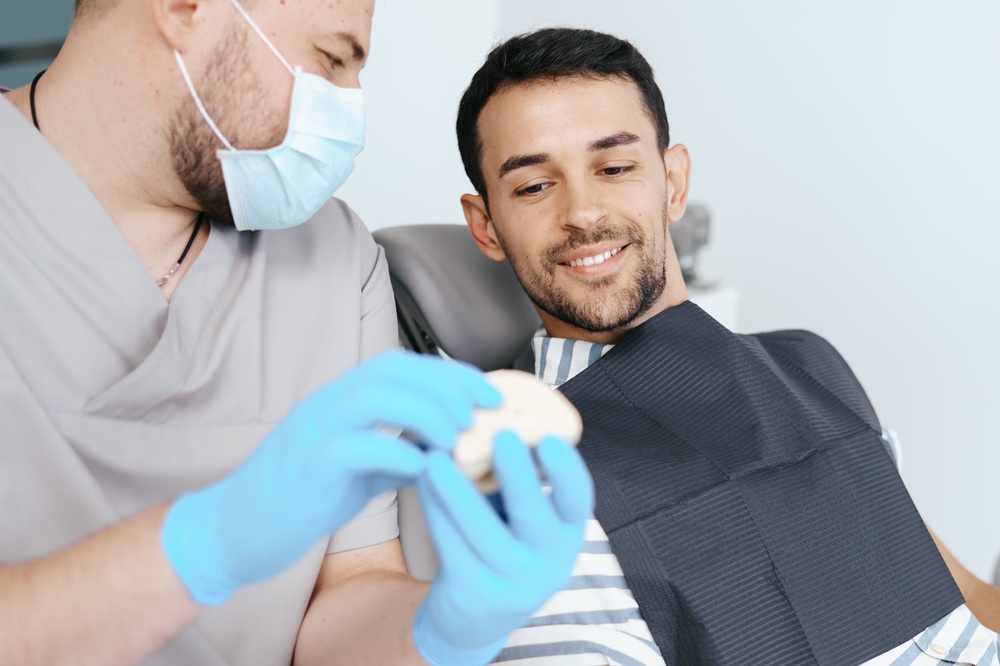
Dental implants can replace missing teeth for many years, but how long they last depends on your oral health and daily care. A dentist in New Port Richey can check your gums, bite, and replacement teeth to help keep your implants healthy. A dental implant has three main parts: a post placed in the jawbone, a connector that joins the post to the replacement tooth, and a crown that looks like a natural tooth. Each part has a different job and may wear down over time. The crown may need repair or replacement even when the implant post remains firmly in place. Regular dental check-ups and good daily cleaning can help spot problems early and keep your implant in good shape.
What Supports Long-Term Implant Health?
Dental implants in New Port Richey replace missing tooth roots and support crowns or other restorations. After placement, the implant needs time to integrate with the surrounding bone. Healing, healthy gums, adequate bone support, and adherence to aftercare instructions all contribute to stability. No treatment can guarantee a fixed lifespan, and outcomes vary.
Factors That Can Affect Longevity
Several factors affect an implant and surrounding tissues:
- Daily Cleaning: Brush twice daily and clean between teeth to limit plaque buildup.
- Gum Inflammation: Peri-implant disease can affect the soft tissues and, in advanced cases, the supporting bone.
- Smoking: Tobacco can interfere with healing and increase the risk of complications.
- Grinding or Clenching: Excessive force can wear the crown or stress components.
- Health and Medications: Some conditions or medications affect healing. Discuss changes with your providers; do not stop medication without medical advice.
Regular checkups for dental implants help identify problems early.
The Implant Post And Crown Age Differently
The post is designed to remain in bone, while the crown takes force and may chip, loosen, or wear. Crown damage does not automatically mean implant failure. Have a loose restoration assessed; do not tighten it at home. Treatment depends on the affected part and supporting tissue.
When To Arrange An Assessment
A dentist near you can assess bleeding, swelling, tenderness, discharge, movement, or changes in bite around an implant. Implants cannot develop cavities, but inflammation can affect the nearby gum and bone. Seek care promptly for persistent symptoms or a moving restoration, even if pain is mild.
Keep Up With Implant Maintenance
Continue brushing and cleaning between teeth daily and keep recommended follow-up appointments. A dental professional can check the gum tissue, bite, crown, and implant stability. Avoid biting very hard objects, and ask about a night guard if grinding may be placing excess pressure on the restoration.
Protect Your Oral Health With Ongoing Care
Consistent home care and regular dental visits help preserve an implant’s function, although no restoration is maintenance-free. Changes to the crown or surrounding tissue are best assessed early.
Schedule a consultation with Radiant Dentistry of New Port Richey to discuss implant maintenance and concerns about your restoration.
FAQs
How long can a dental implant last with proper care?
There is no guaranteed lifespan. Many implants last for decades, but the crown may need replacement sooner due to wear or damage. Outcomes depend on bone and gum health, oral hygiene, bite forces, smoking, overall health, and follow-up.
What factors can shorten a dental implant’s lifespan?
Poor plaque control, inflammation, smoking, untreated grinding, excessive bite forces, and some health conditions can increase complication risks. They do not mean an implant will fail, but they make preventive care and timely assessment important.
Can the crown need replacement before the implant?
Yes. The crown may wear, chip, or loosen while the implant remains stable. A dental professional can assess whether it can be repaired or needs replacement, and check the abutment and implant.
Can an implant fail after several years?
Yes. Inflammation or loss of supporting bone can develop later. Bleeding, swelling, discharge, or movement should be assessed promptly to determine whether the implant can be retained.